Jaspers Landing Farm
The Florida Cracker Sheep
A living archive of five centuries of Florida history — descended from the first sheep to set foot in North America, and among the rarest breeds alive today.
Origins
Born in the Age of Exploration
When Spanish explorers arrived in Florida in the early 1500s, they brought with them the Churra sheep — a hardy Iberian breed that had sustained Mediterranean civilizations for millennia. These animals were among the first domesticated livestock to arrive in what would become the United States.
As Spanish settlements rose and fell, many of these sheep were left to survive on their own in Florida's subtropical wilderness. Over the next five centuries, natural selection did its work: the animals that survived were those best suited to Florida's heat, humidity, native grasses, and parasite pressure.
The result is the Florida Cracker sheep — a breed shaped not by human breeding programs, but by the land itself. Their genetics are a direct, unbroken line to the livestock of the Spanish colonial era.
A Five-Century Story
Historical Timeline
Spanish Origins
Spanish explorers bring Churra sheep to Florida — the same breed that sustained the first European settlements in the New World. These animals are the direct ancestors of today's Florida Cracker sheep.
Life in the Florida Wilderness
Left to fend for themselves in Florida's subtropical landscape, the sheep adapt over generations. Natural selection favors heat tolerance, parasite resistance, and self-sufficiency.
The Cracker Era
Florida Cracker cowboys — known as "crackers" for the crack of their whips — drive herds of these sheep and cattle across the state. The breed becomes synonymous with Florida's frontier agricultural identity.
Near Extinction
The rise of industrial agriculture and the introduction of commercial breeds nearly wipes out the Florida Cracker sheep. By the late 20th century, only a handful of pure animals remain.
Conservation & Recovery
Listed as Critical by The Livestock Conservancy, dedicated breeders are working to recover the population. Every registered animal is a contribution to the breed's survival.
Breed at a Glance
- Origin
- Spanish Churra, 1500s
- Size
- Small to medium
- Fleece
- Coarse, self-shedding
- Horns
- Polled (hornless)
- Climate
- Subtropical adapted
- Status
- Critical (Livestock Conservancy)
Breed Characteristics
Built by Five Centuries of Natural Selection
Heat & Humidity Tolerance
Five centuries of Florida summers have produced an animal uniquely adapted to subtropical heat. Florida Cracker sheep thrive in conditions that stress or kill other breeds.
Natural Parasite Resistance
One of the breed's most prized traits. Their resistance to internal parasites — a major challenge in warm, humid climates — reduces the need for chemical dewormers.
Self-Sufficient Foragers
Evolved on native Florida grasses, scrub, and browse, they are efficient foragers that maintain condition on pasture that would leave commercial breeds thin.
Natural Wool Shedding
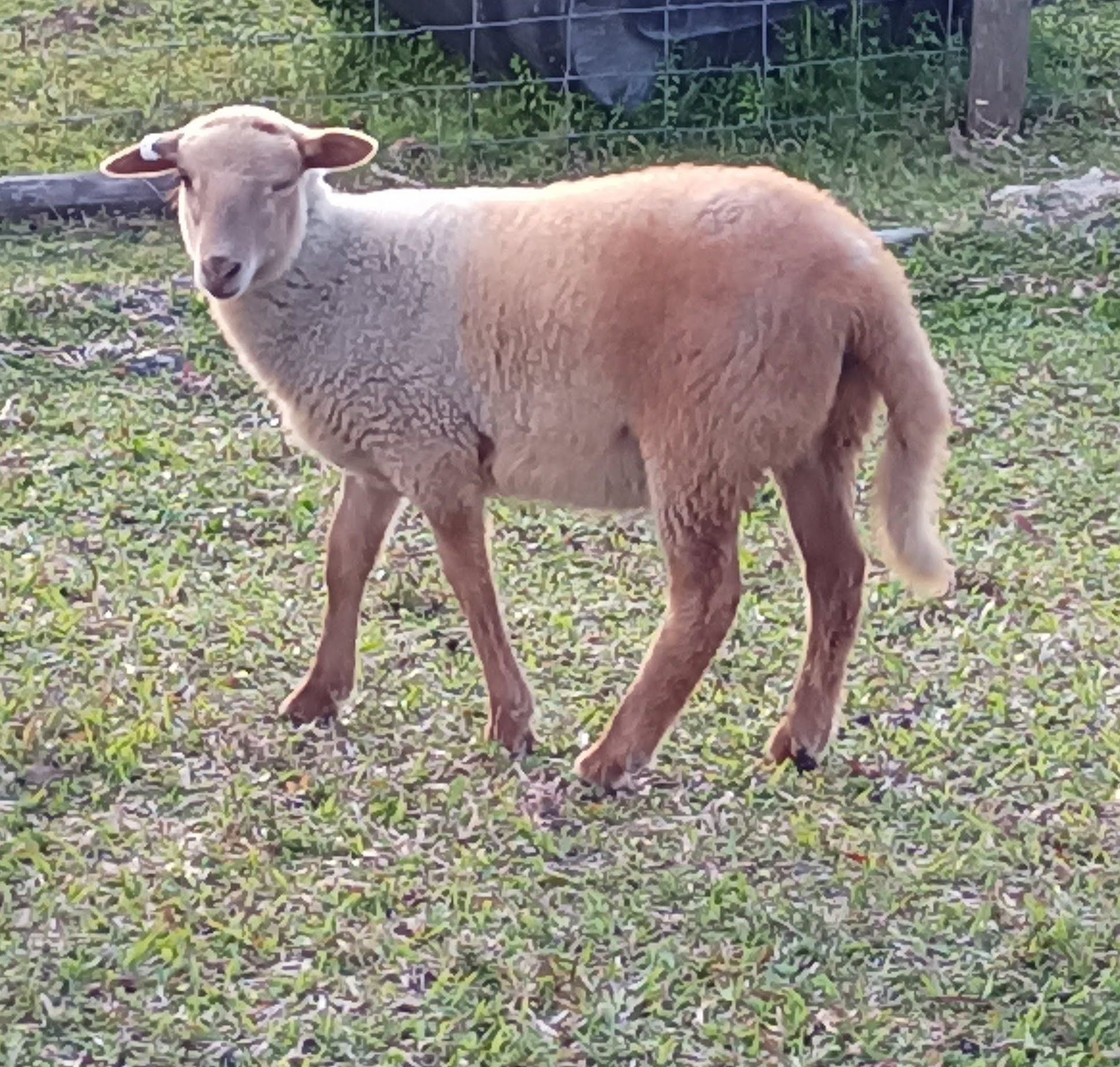
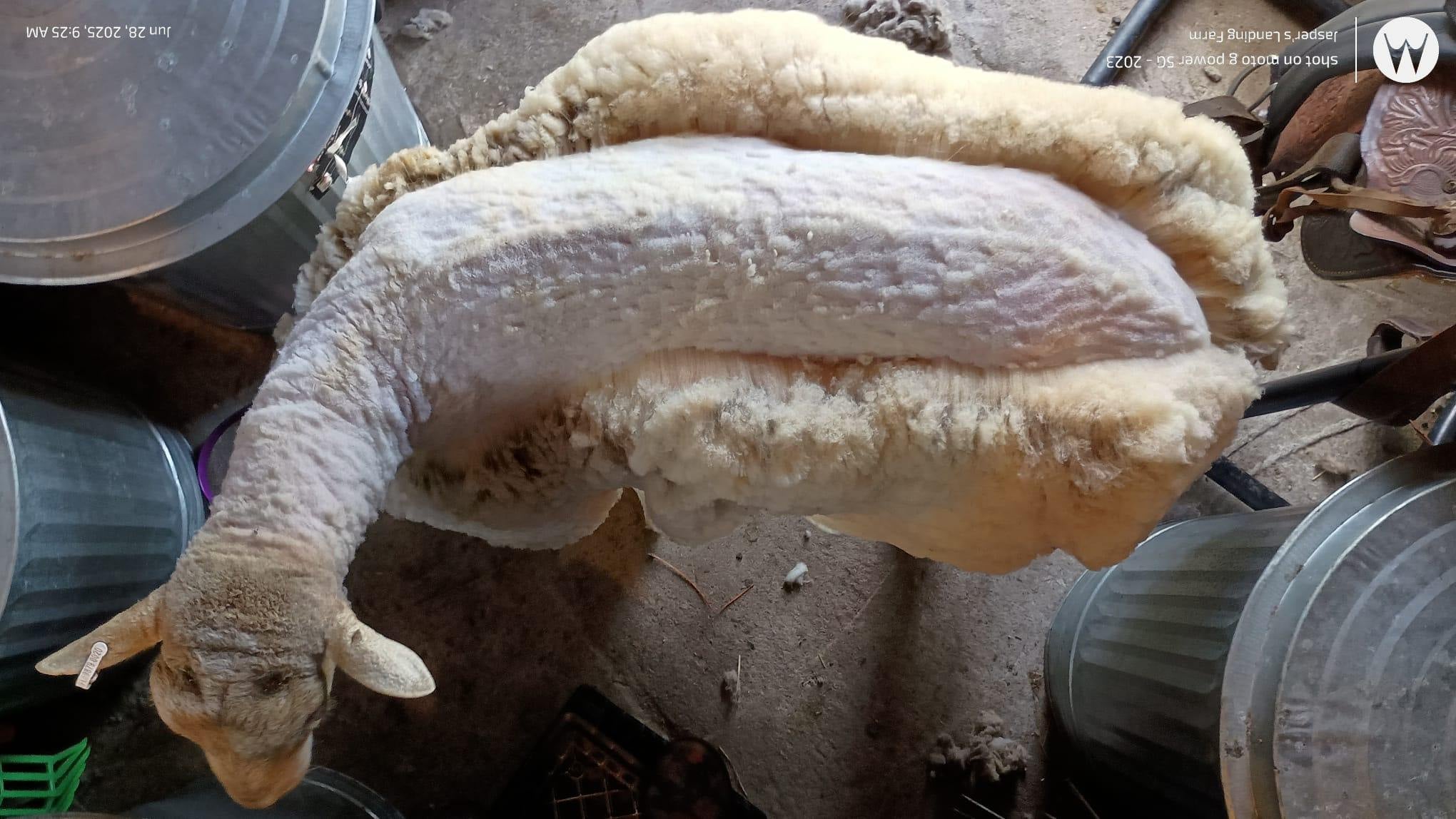
Florida Cracker sheep shed their wool naturally each spring, eliminating the need for annual shearing — a practical advantage for small farms and homesteads.
Polled (Naturally Hornless)
Both rams and ewes are naturally polled, making them safer and easier to handle than horned breeds — an important trait for family farms.
Excellent Maternal Instincts
Ewes are attentive, protective mothers with strong bonding instincts. Lambing is typically uncomplicated, with minimal human intervention required.
Conservation Status
Critical — and Worth Saving
The Livestock Conservancy classifies the Florida Cracker sheep as Critical — the most endangered category on their conservation priority list. This means the global population of registered animals is dangerously small, and the breed faces a real risk of extinction within a generation.
Unlike wild endangered species, heritage livestock breeds can only be preserved through active human stewardship. Every farm that raises registered Florida Cracker sheep, every breeding decision that maintains genetic diversity, and every person who learns about the breed contributes to its survival.
The genetic traits these animals carry — centuries of adaptation to Florida's climate and landscape — cannot be recreated once lost. They represent an irreplaceable piece of both agricultural and natural history.
Critical
Livestock Conservancy Status
Fewer than 200 annual registrations in the U.S.
500+
Years of Genetic History
An unbroken lineage to the Spanish colonial era
Irreplaceable
Genetic Adaptation
Traits developed over centuries cannot be recreated
See the Breed in Person
Reading about the Florida Cracker sheep is one thing — meeting them is another. Visit our flock gallery to see the animals we raise at Jaspers Landing Farm, or reach out to connect with us directly.